


You did good work this year, but can you prove it? When a promotion, a scholarship, a new job or a pay conversation comes up, most young professionals go blank. They remember being busy but can’t name results. A “win file” fixes that, and it takes about ten minutes a week.
What a win file is
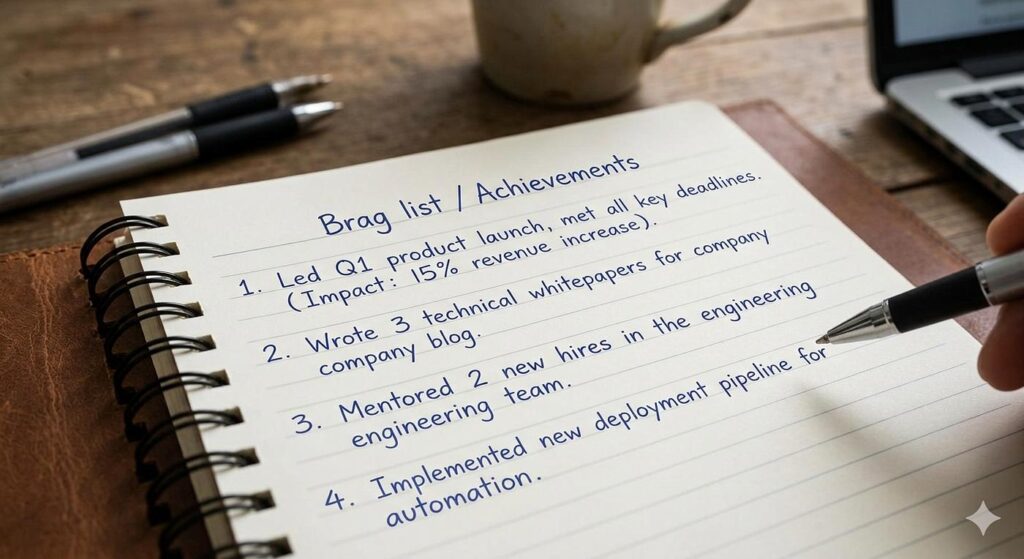
A win file is one document, either a notebook or a note on your phone, where you record what you achieved. It is not a diary. It is a running record of evidence.
Each entry has three parts. What was the problem or task? What did you do? What changed because of it? “Helped with customer complaints” is weak. “Created a one-page reply guide for common complaints, so new staff stopped asking the same five questions” is strong. Where you can, add a number you have counted yourself, such as hours saved, customers served or errors reduced.
Why memory fails you
Memory is a poor record-keeper. You forget the small wins, you remember the mistakes more sharply than the successes, and you rarely recall the exact detail that would convince someone. Six months later, “I worked hard” is all you have. Your manager, or an interview panel, can’t act on that, but they can act on a specific result.
A win file also builds confidence. On a bad week, reading three pages of things you have solved reminds you that you are capable.

How to write good entries
Keep them short and honest. Use the verbs of action: built, fixed, trained, negotiated, organised, launched, reduced.
Record the people involved too. Note who thanked you, who you helped, and who you learned from. Kind words from a colleague are useful, but write them down only as they were said and never improve them.
Add your failures in a separate section called “Lessons”. Write what went wrong and what you would do differently. Setbacks are only wasted if you don’t learn from them. A lesson you wrote down is a skill you can reuse.

How to use it
Review the file before three moments:
- CV and applications. Pull the strongest entries into your bullet points. You will never again struggle to describe what you did.
- Interviews. Questions like “Tell me about a time you solved a problem” become easy, because you already have five stories with details.
- Performance and pay conversations. Walking in with a list of results changes the discussion from “I think I deserve more” to “Here is what I delivered.”
This works for employees, freelancers and business owners. Anyone who sells their time, skill or ideas needs evidence.
What to do this week
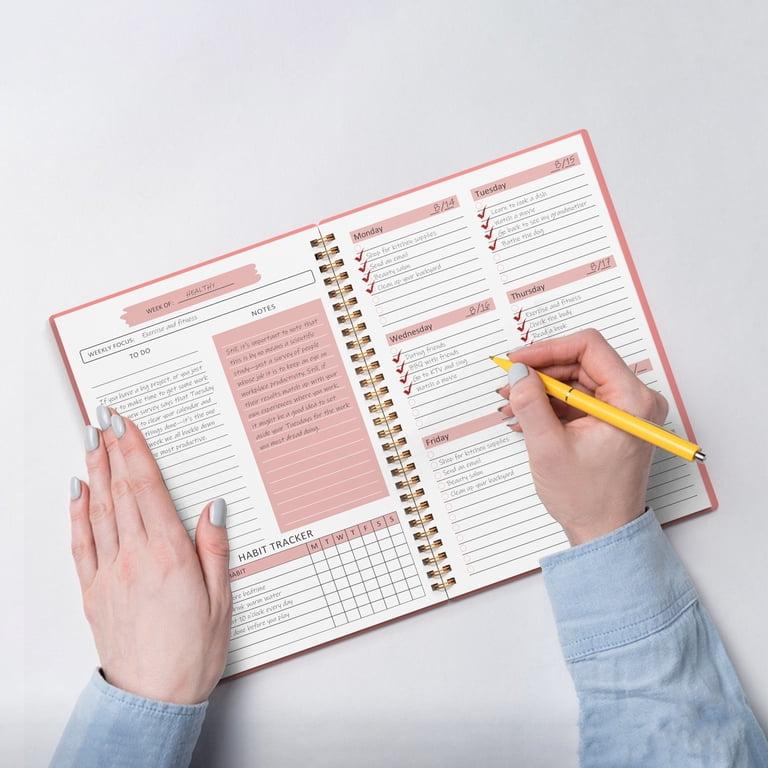
- Create the file today. Use a notebook, a phone note or a simple document. Name it clearly so you will find it.
- Fill in your last three months. Check your messages, emails and calendar to jog your memory. Aim for at least five entries using the problem, action and result format.
- Set a recurring 10-minute slot. Friday afternoon works well. Add this week’s wins and one lesson.
- Show one entry to a mentor or trusted friend. Ask whether it is clear and convincing. Their feedback will sharpen how you describe your work.
Closing thoughts
Careers rarely grow by accident. They grow when you can show what you have done, learn from what went wrong and keep improving. Opportunities go to people who can explain their value clearly, and a win file is a cheap way to be ready when one arrives. Start small, stay consistent, and in a year you will have a record you are proud of.What is one win from this year you would put in your file today? Share it in the comments.